![[CCO] Certification Coaching Organization LLC](https://www.cco.us/wp-content/uploads/2015/05/CCO-Logo-2015-d3-500px.png "[CCO] Certification Coaching Organization LLC")
This Clinical Documentation Guide (CDG) provides AAPC/AHIMA-credentialed coders and CDI specialists with comprehensive coding, clinical, and documentation guidance for cleft lip and cleft palate conditions (ICD-10-CM Q35–Q37). Content reflects FY2026 ICD-10-CM guidelines (effective October 1, 2025 – September 30, 2026) and incorporates the most current epidemiological, clinical, and CPT coding resources. Use this guide to ensure accurate diagnosis code assignment, appropriate CDI query triggers, and defensible documentation for cleft lip/palate encounters across all care settings.
1. Definition
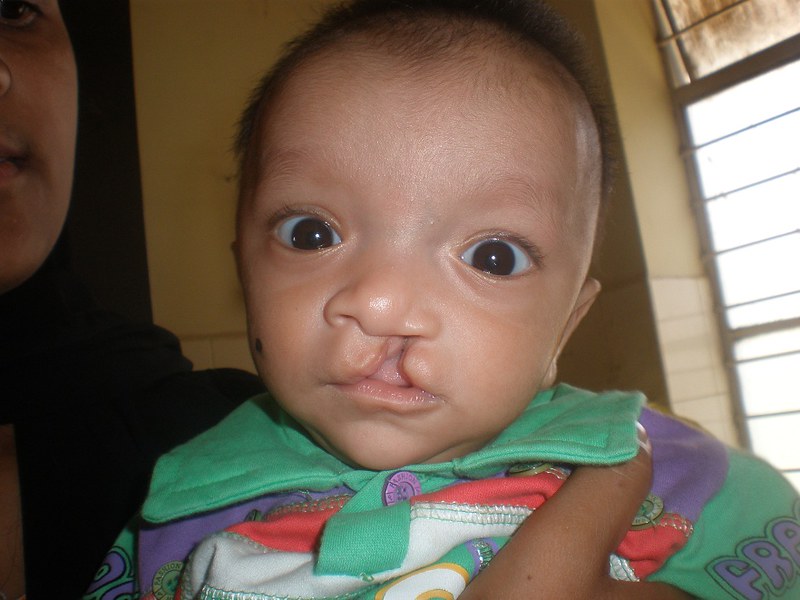
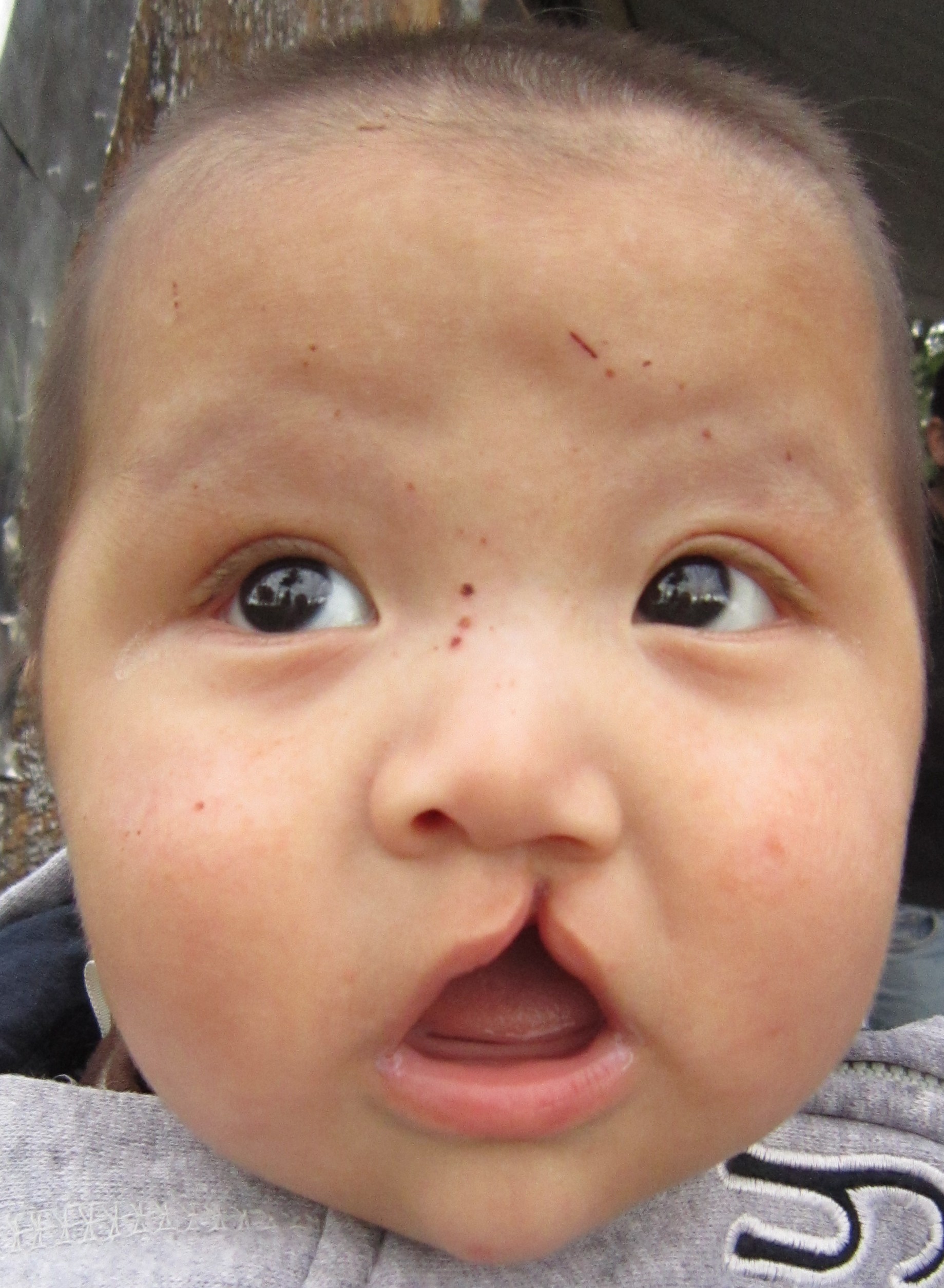
Cleft lip is a congenital birth defect occurring when the tissue that forms the lip fails to join completely before birth, resulting in an opening or split in the upper lip. The opening can range from a small notch at the vermilion border to a large gap extending through the upper lip into the nose. It can occur on one or both sides of the lip, or rarely in the midline, as described by CDC.
Cleft palate is a congenital defect in which the tissue forming the roof of the mouth (palate) does not join completely during fetal development, leaving a persistent opening between the oral and nasal cavities. The cleft may affect the hard palate (anterior bony roof), the soft palate (posterior muscular structure), or both, according to NIDCR.
Cleft lip with cleft palate (combined) occurs when both the lip and the palate fail to fuse; these combination defects constitute the most clinically significant and surgically complex form of orofacial clefting. Together, cleft lip and cleft palate are classified as orofacial clefts and represent one of the most common congenital craniofacial anomalies, as noted in StatPearls (NCBI).
Submucous cleft palate is the mildest form, characterized by incomplete fusion of the palatal muscles beneath an intact oral mucosa; it may present only as a bifid uvula and is often not diagnosed at birth.
Prevalence / Epidemiology (Current Data)
Based on updated 2025 data from ACPA (August 2025), ACPA now recommends the following statement for healthcare organizations:
“Between 6,000 and 8,000 children are born yearly in the United States with a cleft lip and/or palate. In the United States, about 1 in 1,050 babies is born with cleft lip with or without cleft palate, and about 1 in 1,600 babies is born with cleft palate alone.”
Detailed NIDCR prevalence data (2010–2014 base), from the National Birth Defects Prevention Network (NBDPN), provides annual estimates:
| Birth Defect | Prevalence (per 10,000) | Annual U.S. Cases | Cases per Births |
|---|---|---|---|
| Cleft lip with or without cleft palate | 10.00 | ~3,937 | 1 in 1,000 |
| Cleft lip with cleft palate | 6.40 | 2,518 | 1 in 1,563 |
| Cleft lip only | 3.56 | 1,402 | 1 in 2,807 |
| Cleft palate only | 5.93 | 2,333 | 1 in 1,687 |
Source: Mai CT, et al. Birth Defects Research. 2019;111:1420–35; data from 13 U.S. surveillance programs, 5,186,504 live births, adjusted for maternal race/ethnicity.
Contemporary EHR-based research in the Journal of Clinical Medicine (2024) found slightly higher prevalence rates in a cohort of 15.7 million patients: cleft palate (ICP) 1 in 971 births and combined cleft lip and palate (CLP) 1 in 1,398 births.
Demographic patterns:
- Prevalence is highest in Asian, Native American/Alaskan Native populations; lower in Black patients
- Isolated cleft palate is more frequent in biological females; cleft lip ± palate has a greater male-to-female ratio, per ASHA
- Left-sided unilateral cleft lip is more common than right-sided
- Approximately 70% of cleft lip ± palate cases and 50% of isolated cleft palate cases are non-syndromic, per PMC/Oral Diseases
Risk factors documented by CDC include:
- Maternal smoking during pregnancy
- Pregestational diabetes
- Use of certain antiepileptic medications during the first trimester (topiramate, valproic acid)
- Genetic mutations/changes (multifactorial inheritance)
2. Alternative Terminology
Medical coders and CDI specialists will encounter multiple terms in documentation that map to Q35–Q37 codes. The following table summarizes acceptable and deprecated terminology:
| Term | Context / Notes |
|---|---|
| Orofacial cleft | Umbrella term for all cleft lip/palate variants; preferred epidemiological/public health term per CDC |
| Craniofacial anomaly | Broader category encompassing clefts and other facial structural defects; used by ACPA and craniofacial teams |
| Cheiloschisis | Greek-derived clinical term for cleft lip (cheilo- = lip, schisis = split); listed as an “Includes” term under Q36 per AAPC ICD-10 Q36 |
| Palatoschisis | Clinical term for cleft palate (palato- = palate); listed as an “Includes” term under Q35 |
| Cheilopalatoschisis | Combined cleft lip and palate; listed as an “Includes” term under Q37 per AAPC ICD-10 Q37 |
| Fissure of palate | Alternate clinical description; listed as an “Includes” term under Q35 |
| Congenital fissure of lip | Alternate clinical description of cleft lip; “Includes” under Q36 |
| Labium leporinum | Latin for “hare’s lip”; older medical term for cleft lip; “Includes” under Q36 |
| “Harelip” | Deprecated. Historical lay term now considered stigmatizing and clinically inappropriate. Still appears in older records and some payer literature. If encountered in documentation, it maps to Q36.x. ACPA prefers the term “birth difference” for patient communication per ACPA (2025) |
| Velopharyngeal insufficiency (VPI) | Functional consequence of unrepaired or inadequately repaired cleft palate; structural basis distinguishes it from velopharyngeal incompetence (neurogenic) per ASHA |
| Submucous cleft palate | Mildest cleft palate variant; intact oral mucosa overlying incomplete palatal muscle fusion |
| Bifid uvula | May indicate occult submucous cleft palate; coded Q35.7 (Cleft uvula) |
Coder note: When the term “harelip” appears in provider documentation, query for clarification of current terminology and laterality where clinically feasible. The code maps to Q36 (Cleft lip) but documentation specificity is needed for the correct 4th-character subcode.
3. Common Signs & Symptoms
At Birth / Clinical Presentation
Most cleft lip presentations are visually apparent at birth. Cleft palate without lip involvement may be identified through routine oral examination of the newborn, per Mayo Clinic (2024):
- Cleft lip: Visible split in the upper lip, ranging from a small notch at the vermilion border to a large opening extending into the nose; may be unilateral (one side), bilateral (both sides), or median (midline — rare)
- Cleft lip with or without palate: Detectable on prenatal ultrasound around 18 weeks gestation; 2D ultrasonography more reliable for cleft lip than cleft palate; 3D ultrasound can achieve 100% sensitivity for cleft palate if cleft lip is already identified, per StatPearls
- Cleft palate only: Often identified postnatally during oral examination; may be missed if submucous (mucosa intact)
- Submucous cleft palate: Signs include a translucent zona pellucida (midline thinning) on the soft palate, bifid uvula, and posterior notch of the hard palate palpable bimanually; may not be diagnosed until the child begins to speak
Feeding Difficulties
Feeding challenges are the most immediate neonatal concern per NIDCR and StatPearls:
- Inability to form adequate nipple seal and latch (particularly with cleft palate)
- Nasal regurgitation of feeds
- Increased work of feeding, leading to fatigue and poor weight gain
- Suck-swallow-breathe discoordination
- Increased air intake during feeds
Ear Infections and Hearing Issues
- Eustachian tube dysfunction is nearly universal with cleft palate because the levator veli palatini muscle, which opens the Eustachian tube, is malpositioned and inserts onto the hard palate rather than creating the palatal sling, per Mayo Clinic
- Middle ear effusion (MEE) and recurrent otitis media with effusion are extremely common
- Conductive hearing loss from chronic middle ear fluid is a major associated complication; ASHA notes newborn hearing screens are frequently passed despite subsequent risk of conductive loss
Speech and Language Complications
Per ASHA:
- Hypernasality: Excessive nasal resonance due to open oral-nasal communication
- Nasal air emission: Audible or inaudible escape of air through the nose on pressure consonants (stops, fricatives, affricates)
- Compensatory articulation errors: Glottal stops, pharyngeal fricatives — maladaptive patterns developed in response to abnormal palatal structure
- Delayed expressive language in early childhood, typically resolving with intervention
- Velopharyngeal insufficiency (VPI): Persistent inability of the palate to close against the posterior pharyngeal wall after repair
Dental Issues
- Dental malposition, supernumerary or missing teeth at the cleft line (between lateral incisor and canine)
- Alveolar cleft requiring bone grafting
- Malocclusion (Class III common with bilateral CLP; Class II common with Pierre Robin sequence)
- Per CDC: dental complications require specialized orthodontic care throughout childhood and adolescence
Psychosocial Impact
Children with orofacial clefts may face social, emotional, and behavioral challenges due to visible facial differences and the stress of multiple medical procedures, per Mayo Clinic.
4. Differential Diagnosis
When cleft lip/palate is documented, coders and CDI specialists should be alert to associated syndromic diagnoses that require separate coding. Approximately 15–30% of cases are syndromic, per StatPearls and PMC Indian Journal of Plastic Surgery.
| Syndrome / Sequence | Key Features | Genetic Basis | Cleft Type |
|---|---|---|---|
| Van der Woude syndrome | Lower lip pits (bilateral, at wet-dry vermilion junction) + cleft; most common syndromic cause of CL/P | IRF6 gene mutation; autosomal dominant; chromosome 1q32–q41 per PMC IJPS | Any combination: cleft lip, cleft palate, or both |
| Pierre Robin sequence | Triad: micrognathia, glossoptosis, upper airway obstruction; cleft palate frequently associated (inverted U-shape) | Sequence (not syndrome): mechanical — mandibular hypoplasia between weeks 7–11 allows tongue to obstruct palatal shelf fusion per PMC IJPS | Cleft palate (often isolated); associated with Stickler syndrome in ~30% per PubMed |
| 22q11.2 deletion syndrome (DiGeorge / velocardiofacial) | Cardiac defects, palatal abnormalities, typical facies, learning disabilities, immune deficiency | Chromosome 22q11.2 microdeletion per StatPearls | Cleft palate (often submucous), VPI |
| Stickler syndrome | Myopia, retinal detachment, sensorineural hearing loss, joint hypermobility | COL2A1/COL11A1 mutations (autosomal dominant) | Cleft palate; most common syndrome in Pierre Robin sequence per PubMed |
| Treacher Collins syndrome | Malar hypoplasia, microtia, eyelid coloboma, mandibular hypoplasia | TCOF1, POLR1C, POLR1D mutations (autosomal dominant/recessive) | Cleft palate (variable) |
| Trisomy 13 (Patau syndrome) | Microcephaly, polydactyly, cardiac defects, severe intellectual disability | Chromosome 13 trisomy | Cleft lip/palate common (midline) per PMC IJPS |
| Trisomy 18 (Edwards syndrome) | Overlapping fingers, cardiac defects, severe disability, short survival | Chromosome 18 trisomy | Cleft lip/palate associated per PMC IJPS |
| CHARGE syndrome | Coloboma, Heart defects, Atresia choanae, Retarded growth, Genital abnormalities, Ear abnormalities | CHD7 mutation | Cleft palate frequent; listed among most common syndromic associations per StatPearls |
Coder/CDI note: Approximately 50% of isolated cleft palate cases are associated with other anomalies, versus 15% of cleft lip with palate cases, per StatPearls. If a confirmed syndrome is documented, code the syndrome separately using the appropriate code (e.g., Q87.x, Q93.81 for 22q11.2 deletion). Review genetic consultation reports for documented syndrome diagnoses.
5. Clinical Indicators (for Coders/CDI)
The following documentation elements must be present or queried to assign the most specific ICD-10-CM code from Q35–Q37. Per WellCare Documentation Guidance (2024) and AAOMS Coding Paper (revised January 2026):
Required Documentation Elements
| Element | Why It Matters for Coding |
|---|---|
| Laterality of cleft lip | Distinguishes Q36.0 (bilateral), Q36.1 (median), Q36.9 (unilateral). Missing laterality forces Q36.9 |
| Laterality of cleft palate + lip | Q37.x requires both palate type AND lip laterality (bilateral vs. unilateral) |
| Palate involvement: hard, soft, or both | Q35.1 (hard), Q35.3 (soft), Q35.5 (hard + soft); Q37 codes further specify hard, soft, or hard+soft |
| Associated syndrome | Syndromic diagnosis (Van der Woude, Pierre Robin, 22q11.2, etc.) requires additional code; affects DRG and resource intensity documentation |
| Surgical status | Active/unrepaired cleft → Q35–Q37; repaired cleft, outpatient follow-up → consider Z42 (encounter for reconstructive surgery following healed injury/procedure) |
| Lip pits (lower lip) | Presence of bilateral lower lip pits suggests Van der Woude syndrome; important query trigger |
| Submucous involvement | Submucous cleft palate may not be apparent; look for bifid uvula, velopharyngeal insufficiency, speech abnormalities |
| Complete vs. incomplete | ICD-10-CM Q35–Q37 does not distinguish complete from incomplete (unlike ICD-9-CM), but the distinction is relevant for CPT code selection and surgical documentation |
| Photographs/imaging | Operative report and photos support code assignment and medical necessity documentation |
| Genetic consultation | Confirms or rules out syndromic association; required for accurate secondary diagnosis coding |
Query the treating physician or surgeon when documentation does not specify:
- Whether cleft lip is unilateral or bilateral
- Whether palate involvement is limited to the hard palate, soft palate, or both
- Whether a recognized syndrome has been diagnosed or ruled out (especially for cleft palate alone, which has >50% anomaly association rate)
- Whether procedures to assess additional malformations were performed and their results
Post-repair Encounters
When a patient returns for reconstructive surgery after prior repair:
- The original cleft code (Q35–Q37) should still be used if the cleft condition is the reason for the encounter (e.g., revision surgery, VPI correction)
- Z42.8 (Encounter for other plastic and reconstructive surgery following medical procedure or healed injury) may be applicable for follow-up reconstruction visits
- Personal history codes (Z87.39x) apply if the condition has been fully corrected and is no longer relevant to the current encounter
6. Anatomy & Pathophysiology
Embryological Development of the Lip
The normal lip forms through the fusion of multiple embryonic facial processes during gestational weeks 4 through 7, per CDC and PMC/Oral Diseases embryology review (2022):
- Week 4: Five facial prominences form around the developing oral cavity — the frontonasal prominence (median), bilateral maxillary prominences, and bilateral mandibular prominences
- Week 5: The frontonasal prominence develops into medial and lateral nasal processes via cleavage; these fuse with the maxillary process to form the upper lip
- Week 6: The medial nasal processes fuse in the midline to form the intermaxillary segment, which creates the philtrum of the upper lip and the primary palate (the portion anterior to the incisive foramen)
Failure mechanism (cleft lip): Failure of the lateral lip element (maxillary prominence) to fuse with the philtrum (medial nasal prominence from the frontonasal prominence) produces a unilateral cleft lip. Failure of both maxillary prominences to fuse produces bilateral cleft lip, per Plastic Surgery Key embryology review.
Embryological Development of the Palate
The secondary palate forms from outgrowths of the maxillary processes (palatal shelves) in a more protracted developmental window, per StatPearls and PMC/Oral Diseases (2022):
- Week 6–7: Palatal shelves grow initially in a vertical orientation on either side of the tongue
- Week 8: Palatal shelves rapidly reorient from vertical to horizontal (within hours), progressing anteriorly to posteriorly in a “zipper” fashion
- Weeks 8–10: The two palatal shelves make contact at the midline; medial edge epithelium degenerates via programmed cell death (apoptosis) to establish mesenchymal continuity
- Week 10–12: Mesenchymal continuity is established; the anterior portion ossifies to form the hard palate while the posterior portion differentiates into muscle to form the soft palate
Failure mechanism (cleft palate): Failure of the palatal shelves to reach the midline and fuse produces cleft palate. The cause of Pierre Robin sequence is distinct: mechanical obstruction by the tongue (due to micrognathia) prevents the palatal shelves from assuming their horizontal position, resulting in the characteristic inverted U-shaped cleft palate, per PMC IJPS.
Molecular Pathways
Key molecular signaling pathways involved per StatPearls and PMC/Oral Diseases:
- Sonic hedgehog (SHH) pathway — regulates medial nasal process development and facial midline formation
- Bone morphogenetic protein (BMP4, BMP2) pathways — regulate apoptosis and epithelial seam degeneration
- Fibroblast growth factor (FGF10, FGF7) pathways
- Transforming growth factor beta (TGFβ) — palatal shelf elevation and fusion
- IRF6 — mutations cause Van der Woude syndrome; rs642961 risk allele linked to non-syndromic CL/P
- TFAP2A mutations underlie branchio-oto-renal syndrome, which includes CL/P
Functional Consequences (Pathophysiology)
Per StatPearls:
- Oral-nasal communication: The persistent cleft creates abnormal communication between oral and nasal cavities, impeding:
- Sucking (infants are obligate nasal breathers; tongue can protrude into nasal cavity)
- Speech (prevents buildup of intraoral air pressure for plosive/fricative sounds)
- Swallowing (nasal regurgitation)
- Eustachian tube dysfunction: Abnormal insertion of the levator veli palatini leads to impaired tube opening and middle ear effusion
- Dental/skeletal effects: Disrupted maxillary architecture leads to dental malposition and abnormal facial growth if untreated
7. Medication Impact / Treatment
The “Rule of 10s” for Surgical Timing
A widely used perioperative guideline for cleft lip repair is the “Rule of 10s” (also called “Ten’s criteria”), per StatPearls:
- Weight ≥ 10 pounds (infant is metabolically stable enough for anesthesia)
- Hemoglobin ≥ 10 g/dL
- Age ≥ 10 weeks (cardiac risk decreases significantly after 60 weeks post-conceptional age)
Surgical Timeline Overview
The following timeline reflects ACPA Parameters of Care (2009 Rev., still current standard) and StatPearls (2024):
| Phase | Timing | Key Interventions |
|---|---|---|
| Antenatal | Prenatal | Team meet, genetic counseling, parents meet cleft team; prenatal MRI if needed |
| Perinatal (birth) | Immediately postpartum | Feeding assessment; specialized bottle/nipple fitting; lip taping; NAM if indicated |
| Lip repair | 3–6 months (most centers 3–4 months) | Primary cheiloplasty ± nasal correction; governed by Rule of 10s |
| Palate repair | 9–18 months (most centers 11–12 months) | Palatoplasty; earlier repair (9–11 months) improves speech outcomes vs. delayed repair |
| Ear tube insertion | Often concurrent with palate repair (9–12 months) | Tympanostomy tubes for recurrent MEE/conductive hearing loss |
| Speech therapy | 12 months through school age | Articulation, resonance, VPI management; begins with prelinguistic feeding and language development |
| Alveolar bone grafting | 6–12 years (usually 7–9 years, mixed dentition) | Autogenous cancellous bone graft to alveolar cleft to support eruption of canine tooth |
| Orthodontics | School age through adolescence | Multiple phases; palatal expansion, braces, dental alignment |
| Secondary lip/nose revision | 4–6 years or adolescence | Scar revision, rhinoplasty after nasal growth complete |
| Orthognathic surgery | 17–21 years (skeletal maturity) | LeFort I osteotomy for midface advancement in severe midfacial retrusion |
| Definitive rhinoplasty | ≥ 15–16 years | Nasal reconstruction following facial growth completion |
Lip repair is recommended within the first 12 months of life; palate repair is recommended within the first 18 months of life, per CDC.
Pre-surgical Preparation (Infancy)
- Lip taping: Applied from approximately 1 week of age to narrow the cleft and improve nasal symmetry pre-operatively, per StatPearls
- Nasoalveolar molding (NAM) prosthesis: A custom maxillary intraoral device worn 24 hours/day, adjusted weekly or biweekly, to remodel alveolar segments and improve nasal symmetry prior to lip repair; billed using CPT 21076 per AAOMS (January 2026)
Feeding Devices
- Specialized bottles (e.g., Mead-Johnson Cleft Palate Nurser, Haberman feeder, Dr. Brown’s Specialty Feeder, Pigeon bottle) are used to enable feeding without the ability to create negative intraoral pressure
- Occupational/speech therapists train caregivers on positioning, pacing, and special nipple/bottle techniques
- Palatal obturators may be used in selected cases to cover the palatal cleft before surgical repair to facilitate feeding
Team-Based Care Model
ACPA mandates that care be delivered by an interdisciplinary cleft and craniofacial team that typically includes:
- Plastic surgeon or craniofacial surgeon
- Oral and maxillofacial surgeon
- Orthodontist
- Pediatric dentist
- Speech-language pathologist
- Audiologist
- Otolaryngologist (ENT)
- Geneticist / genetic counselor
- Social worker / psychologist
- Pediatrician
- Nutritionist
Medications
There is no specific medical (pharmaceutical) treatment for cleft lip/palate itself. Perioperative medications include:
- General anesthesia for surgical repair
- Analgesics post-operatively
- Antibiotics if indicated (perioperative prophylaxis per surgeon protocol)
Teratogenic medication note for CDI: Documentation of maternal use of topiramate or valproic acid during the first trimester in the mother’s record is relevant to etiology; these are not coded on the child’s record but represent risk factors per CDC.
Preview ends here. The full guide continues with FY2026 ICD-10-CM code sets, CPT surgical coding, MS-DRG mapping, reimbursement guidance, CDI query templates, and an audit checklist — all available to CCO Members.
8. ICD-10-CM Guidelines (FY2026)
Source: FY 2026 ICD-10-CM Official Guidelines for Coding and Reporting (effective October 1, 2025), published by CMS and NCHS.
Chapter 17: Congenital Malformations, Deformations, Chromosomal Abnormalities, and Genetic Disorders (Q00–QA0)
FY2026 Chapter Title Change: The chapter title was revised from “Congenital malformations, deformations and chromosomal abnormalities (Q00-Q99)” to “Congenital malformations, deformations, chromosomal abnormalities, and genetic disorders (Q00-QA0)” per MedCare MSO FY2026 update summary. The chapter now extends to QA0 to accommodate new genetic disorder codes. The Q35–Q37 cleft codes are unaffected by this change.
Section I.C.17 of the FY2026 Guidelines states (verbatim):
“Assign an appropriate code(s) from categories Q00–QA1, Congenital malformations, deformations, and chromosomal abnormalities when a malformation/deformation or chromosomal abnormality is documented. A malformation/deformation/or chromosomal abnormality may be the principal/first-listed diagnosis on a record or a secondary diagnosis.”
Key Coding Rules for Chapter 17
- Code throughout the life of the patient. Codes from Chapter 17 may be used at any age. If a congenital condition is not identified until adulthood, it is still appropriate to use a Q-code when the provider documents the diagnosis. Per FY2026 Guidelines, Section I.C.17.
- Personal history code when corrected. If a congenital malformation has been corrected, assign the appropriate personal history code (e.g., Z87.39x) to identify the prior history. The Q code should no longer be used as an active diagnosis if the condition is fully repaired and resolved.
- Principal diagnosis for birth admission. For the birth admission, the appropriate code from category Z38 (Liveborn infants, according to place of birth and type of delivery) is sequenced as the principal diagnosis, followed by any congenital anomaly codes (Q00–QA0) as secondary diagnoses.
- Manifestations. When the code assignment specifically identifies the malformation/deformation or chromosomal abnormality, manifestations that are an inherent component of the anomaly should not be coded separately. Additional codes should be assigned for manifestations that are not an inherent component.
- When no unique code: When a malformation/deformation does not have a unique code, assign additional code(s) for any manifestations that may be present.
- Diagnosis timing. Although present at birth, a malformation may not be identified until later in life. Whenever the condition is diagnosed by the provider, it is appropriate to assign a Q00–QA0 code regardless of patient age.
Present on Admission (POA) Indicator
Congenital conditions (Q00–Q99) are on the POA exempt list. Assign “Y” (yes, present on admission) for congenital conditions and anomalies (per FY2026 Guidelines, Appendix I). This means POA indicator will always be “Y” for Q35–Q37 codes.
Use Additional Code Instruction
The ICD-10 international coding system includes the instruction: “Use additional code (Q30.2), if desired, to identify associated malformations of the nose.” This applies to Q35–Q37 when fissured, notched, or cleft nose (Q30.2) is a documented associated finding, per WHO ICD-10 online.
Code First / Etiology-Manifestation
No specific code-first or use-additional etiology/manifestation instructions exist within Q35–Q37 themselves. However:
- Syndromic diagnoses (e.g., Van der Woude: Q87.3x; 22q11.2 deletion: Q93.81) should be coded as additional diagnoses when documented
- In the mother’s obstetric record, O35.x (Maternal care for known or suspected fetal anomaly) codes are used when the fetal cleft is affecting maternal management
9. ICD-10-CM Code Set (FY2026)
FY2026 Update Status for Q35–Q37
Per the CMS FY2026 ICD-10-CM update (487 new codes, 28 deleted, 38 revised) and the Health Information Associates FY2026 Chapter 17 update summary: No new codes were added, no codes were deleted, and no descriptors were revised within the Q35–Q37 cleft category for FY2026. All changes in Chapter 17 were in other subcategories (Q75, Q87, Q89, Q99, and the new QA0 category). The Q35–Q37 code set is unchanged from FY2025.
Q35 — Cleft Palate
Header: Q35 Cleft palate (non-billable; requires 4th character)
Includes: fissure of palate; palatoschisis
Excludes1: cleft palate with cleft lip (Q37.-)
| Code | Descriptor | Billable |
|---|---|---|
| Q35.1 | Cleft hard palate | Yes |
| Q35.3 | Cleft soft palate | Yes |
| Q35.5 | Cleft hard palate with cleft soft palate | Yes |
| Q35.7 | Cleft uvula | Yes |
| Q35.9 | Cleft palate, unspecified | Yes |
Note: Q35.0 and Q35.2 do not exist in the U.S. ICD-10-CM tabular list. Even-numbered Q35 codes are not used in the CM version.
Q36 — Cleft Lip
Header: Q36 Cleft lip (non-billable; requires 4th character)
Includes: cheiloschisis; congenital fissure of lip; harelip; labium leporinum
Excludes1: cleft lip with cleft palate (Q37.-)
| Code | Descriptor | Billable |
|---|---|---|
| Q36.0 | Cleft lip, bilateral | Yes |
| Q36.1 | Cleft lip, median | Yes |
| Q36.9 | Cleft lip, unilateral | Yes |
Q37 — Cleft Palate with Cleft Lip
Header: Q37 Cleft palate with cleft lip (non-billable header; requires 4th character)
Includes: cheilopalatoschisis
Note: Q37 is a non-billable header code. Always select the appropriate 4th-character subcode.
| Code | Descriptor | Billable |
|---|---|---|
| Q37.0 | Cleft hard palate with bilateral cleft lip | Yes |
| Q37.1 | Cleft hard palate with unilateral cleft lip | Yes |
| Q37.2 | Cleft soft palate with bilateral cleft lip | Yes |
| Q37.3 | Cleft soft palate with unilateral cleft lip | Yes |
| Q37.4 | Cleft hard and soft palate with bilateral cleft lip | Yes |
| Q37.5 | Cleft hard and soft palate with unilateral cleft lip | Yes |
| Q37.8 | Unspecified cleft palate with bilateral cleft lip | Yes |
| Q37.9 | Unspecified cleft palate with unilateral cleft lip | Yes |
Sources: AAPC ICD-10-CM Q35, AAPC ICD-10-CM Q36, AAPC ICD-10-CM Q37, WellCare ICD-10 Documentation Guidance.
Additional Cleft-Related ICD-10-CM Codes
| Code | Descriptor | Use When |
|---|---|---|
| Q30.2 | Fissured, notched and cleft nose | Associated nasal anomaly documented |
| Q38.0 | Congenital malformations of lips, NEC | Van der Woude syndrome or other lip malformations |
| Z42.8 | Encounter for other plastic/reconstructive surgery following healed injury/procedure | Follow-up reconstructive surgery encounter |
| K00.1 | Supernumerary teeth | Supernumerary tooth extraction during cleft surgery |
Combination Rule: Q37 Supersedes Q35 + Q36
When both cleft lip and cleft palate are present, report a combination code from Q37 instead of separate Q35 and Q36 codes. Using individual codes when a combination code is available violates ICD-10-CM coding conventions, per Outsource Strategies International coding guidance.
10. ICD-10-CM Indexing
Main term: Cleft (in the Alphabetic Index to Diseases and Injuries)
The following represents the relevant index structure for the main term “Cleft” as found in the CMS ICD-10-CM Index to Diseases and Injuries and as verified in AAPC Codify:
Cleft (congenital) — see also Imperfect, closure
  alveolar process — M26.79
  branchial (cyst) (persistent) — Q18.2
  cricoid cartilage, posterior — Q31.8
  foot — Q72.7-
  hand — Q71.6-
  lip (unilateral) — Q36.9
    bilateral — Q36.0
    median — Q36.1
    with cleft palate — Q37.9
      hard — Q37.1
      with soft — Q37.5
      bilateral — Q37.0
        hard — Q37.0
          with soft — Q37.4
        soft — Q37.2
  nose — Q30.2
  palate — Q35.9
    hard — Q35.1
    with
      cleft lip (unilateral) — Q37.1
        bilateral — Q37.0
      soft palate — Q35.5
        with cleft lip (unilateral) — Q37.5
          bilateral — Q37.4
    soft — Q35.3
      with
        cleft lip (unilateral) — Q37.3
          bilateral — Q37.2
        hard palate — Q35.5
  penis — Q55.69
  scrotum — Q55.29
  thyroid cartilage — Q31.8
  uvula — Q35.7
Indexing practice tip: Always verify in the Tabular List after using the Alphabetic Index, per FY2026 Official Guidelines, Section I.A. The index directs coders to the appropriate code, but instructional notes (Includes, Excludes, Use Additional) are only visible in the Tabular List.
11. CPT Coding
CPT codes for cleft lip and palate are found primarily in the Digestive System section (Lips, Palate and Uvula) of the CPT manual. Rhinoplasty for cleft-related nasal deformity is in the Respiratory System section.
Source: AAOMS Coding for Cleft Lip and Palate Surgery (revised January 2026) and AAPC Otolaryngology Coding Alert (June 2025).
Cleft Lip Repair (Primary)
| CPT Code | Descriptor | Notes |
|---|---|---|
| 40700 | Plastic repair of cleft lip/nasal deformity; primary, partial or complete, unilateral | Most common primary repair code |
| 40701 | Plastic repair of cleft lip/nasal deformity; primary bilateral, 1-stage procedure | Both sides repaired in one operation |
| 40702 | Plastic repair of cleft lip/nasal deformity; primary bilateral, 1 of 2 stages | Each stage of a 2-stage bilateral repair; report twice (once per stage) |
Cleft Lip Repair (Secondary / Revision)
| CPT Code | Descriptor | Notes |
|---|---|---|
| 40720 | Plastic repair of cleft lip/nasal deformity; secondary, by recreation of defect and reclosure | For bilateral: add modifier –50. Appended –58 if within global period of primary repair |
| 40761 | Plastic repair of cleft lip/nasal deformity; with cross lip pedicle flap (Abbe-Estlander type), including sectioning and inserting of pedicle | Includes the pedicle take-down; 90-day global |
| 40799 | Unlisted procedure, lips | May be used for cleft lip adhesion procedure |
Cleft Palate Repair (Palatoplasty)
| CPT Code | Descriptor | Notes |
|---|---|---|
| 42200 | Palatoplasty for cleft palate, soft and/or hard palate only | Primary repair |
| 42205 | Palatoplasty for cleft palate, with closure of alveolar ridge; soft tissue only | NCCI edits exist with 42200/42210; use –59 if separate/necessary |
| 42210 | Palatoplasty for cleft palate, with closure of alveolar ridge; with bone graft to alveolar ridge (includes obtaining graft) | Includes bone harvest; if OMS does not harvest (synthetic bone), append –52 + 99070. Medicare: do NOT use –50 for bilateral; consider –22 |
| 42215 | Palatoplasty for cleft palate; major revision | Significant reoperation |
| 42220 | Palatoplasty for cleft palate; secondary lengthening procedure | For velopharyngeal insufficiency (VPI) addressed by palate lengthening |
| 42225 | Palatoplasty for cleft palate; attachment pharyngeal flap | Pharyngeal flap surgery for persistent VPI |
| 42226 | Lengthening of palate, and pharyngeal flap | Combined procedure |
| 42227 | Lengthening of palate, with island flap | Island flap technique |
| 42235 | Repair of anterior palate, including vomer flap | Vomer flap for anterior palate |
| 42260 | Repair of nasolabial fistula | Nasolabial fistula closure |
Prosthetic / Nasoalveolar Molding Codes
| CPT Code | Descriptor | Notes |
|---|---|---|
| 21076 | Impression and custom preparation; surgical obturator prosthesis | Used for NAM devices; 10-day global. May append –22 if impression under anesthesia |
| 21082 | Impression and custom preparation; palatal augmentation prosthesis | If physician designs and prepares palatal prosthesis |
| 21083 | Impression and custom preparation; palatal lift prosthesis | Physician-designed/prepared |
| 21084 | Impression and custom preparation; speech aid prosthesis | Physician-designed; 90-day global |
| 42280 | Maxillary impression for palatal prosthesis | If lab fabricates; append –22 if under anesthesia |
| 42281 | Insertion pin-retained palatal prosthesis | For OMS delivering lab-fabricated prosthesis; 10-day global |
Nasal / Rhinoplasty Codes
| CPT Code | Descriptor |
|---|---|
| 30460 | Rhinoplasty for nasal deformity secondary to congenital cleft lip and/or palate, including columella lengthening; tip only |
| 30462 | Rhinoplasty for nasal deformity secondary to congenital cleft lip and/or palate, including columella lengthening; tip, septum, osteotomies |
Bone Graft Codes
| CPT Code | Descriptor | Notes |
|---|---|---|
| 20902 | Bone graft, any donor area; major or large | Only report separately if primary code does not include graft harvest |
| 21210 | Graft, bone; nasal, maxillary or malar areas (includes obtaining graft) | For secondary alveolar grafting without palatoplasty; append –52 if synthetic bone used |
CPT Modifiers for Cleft Repair
| Modifier | Use |
|---|---|
| –22 | Increased Procedural Services — document significantly increased complexity (e.g., bilateral alveolar repair instead of –50) |
| –50 | Bilateral Procedure — use with 40720 for bilateral secondary lip repair; NOT with 42210 per Medicare policy |
| –51 | Multiple Procedures |
| –52 | Reduced Services — when bone harvest not performed (synthetic graft), append to 42210, 21210, or 21215 |
| –57 | Decision for surgery — appended to E/M code when decision for major surgery made |
| –58 | Staged/Related Procedure — for procedures performed within the global period of prior surgery that were planned (e.g., tongue flap take-down within global period) |
| –59 | Distinct Procedural Service — to override NCCI edits on 42200/42205/42210 when procedures are separate and distinct |
| –62 | Two Surgeons |
| –66 | Surgical Team |
| –80 | Assistant Surgeon |
| –82 | Assistant Surgeon (when qualified resident not available) — teaching facilities only |
| AS (HCPCS) | Physician assistant/NP/CNS as assistant at surgery |
| –XE, –XP, –XS, –XU | Subset modifiers for distinct services (alternative to –59, payer-dependent) |
Global period: Major cleft repairs (40700-series, 42200-series) carry a 90-day global surgical package (92 days total including day before and day of surgery), per AAOMS (2026).
12. HCPCS Codes
HCPCS Level II — Haberman Feeder
| HCPCS Code | Descriptor | Classification |
|---|---|---|
| S8265 | Haberman feeder for cleft lip/palate | Miscellaneous Supplies and Services (Temporary National Code, non-Medicare) per AAPC HCPCS S8265 |
Note: S8265 is a Temporary National Code in the S-code range (S0012–S9999). It is not covered under traditional Medicare (S-codes are non-Medicare), but may be covered by Medicaid programs and commercial insurers in some states. Verify payer-specific coverage policies, per eMedNY Medical Supplies HCPCS listing.
HCPCS for Prosthetic Devices
CPT codes (21076, 21082, 21083, 21084, 42280, 42281) are used for prosthetic/obturator services billed by the physician. HCPCS L-codes for maxillofacial prosthetics (L8040–L8049) may apply to devices furnished by prosthetists or durable medical equipment suppliers; verify payer policy. See CMS facial prostheses policy article (A52463).
HCPCS Modifier
| Modifier | Description |
|---|---|
| AS | Physician assistant, nurse practitioner, or CNS services for assistant at surgery |
13. AHA Coding Clinic References
The AHA Coding Clinic for ICD-10-CM/PCS is a subscription publication; full text cannot be reproduced here due to copyright. The following citation references are provided for research and CDG compilation purposes. Coders should verify through institutional Coding Clinic subscriptions. No specific cleft lip/palate entries were identified in the free-access domain as of 2026 research; the AHA Coding Clinic advisor confirms ongoing quarterly issues through 2025 Q3.
Known/Searched References:
- AHA Coding Clinic guidance on Chapter 17 congenital anomaly coding conventions (general)
- See: AHA Coding Clinic for ICD-10-CM/PCS, various quarters — use terms “congenital malformation,” “principal diagnosis,” “personal history” of corrected anomaly
- The following older (ICD-9-CM era) guidance has been superseded by ICD-10-CM:
- AAP You Code It! article on cleft lip/palate (ICD-9-CM codes 749.xx), published in AAP Coding News, 2015 — now obsolete per AAP Publications (2015)
Practitioner action: Query the AHA Coding Clinic Advisor for specific Coding Clinic Q&A entries related to cleft lip/palate. Relevant search terms: “cleft lip,” “cleft palate,” “Q35,” “Q36,” “Q37,” “congenital malformation,” “submucous cleft,” “bifid uvula.”
CDG author note: This section should be updated by CCO staff with confirmed Coding Clinic citation strings once institutional access is available. Do not reproduce copyrighted Coding Clinic text — list citation strings only (e.g., “Coding Clinic, Third Quarter 2019, p. 22”).
14. Risk Adjustment Notes (HCC V28)
CMS-HCC Model V28 Status (2026)
As of January 1, 2026, CMS-HCC Model V28 is fully operative for 100% of Medicare Advantage risk score calculations. The three-year phase-in (33% V28 in PY2024, 67% in PY2025) is complete, per RAAPID (March 2026).
Q35–Q37 HCC Mapping Status
ICD-10-CM codes Q35–Q37 (cleft lip, cleft palate, cleft lip with cleft palate) do NOT map to any CMS-HCC V28 risk adjustment category.
Rationale:
- The CMS-HCC model is designed to risk-adjust for chronic adult conditions that predict future Medicare Advantage expenditures
- Congenital orofacial clefts are typically identified and treated in childhood
- The pediatric/congenital code population (Chapters 16–17) was partially incorporated into V28 with 268 new codes from Chapters 16–17 that now do map to HCCs, per CodingIntel V28 analysis
- However, the vast majority of isolated congenital cleft codes (Q35–Q37) are not conditions associated with significant ongoing chronic adult medical expenditure predictive for the Medicare population
- GuideWell/Florida Blue CMS-HCC V28 Perinatal/Congenital document confirms that while V28 adds some congenital codes, these are for complex systemic congenital conditions (e.g., Hirschsprung’s disease, Q43.1), not orofacial clefts
Practical implication: Cleft lip/palate diagnoses do not contribute to a Medicare Advantage patient’s Risk Adjustment Factor (RAF) score under V28. For pediatric Medicaid or commercial insurance populations, risk adjustment methodologies vary (some use APR-DRGs or CRG-based systems), and cleft-related diagnoses may carry weight in pediatric risk models.
CDI specialists should not direct provider query efforts toward cleft lip/palate for HCC risk adjustment purposes. Coding accuracy for cleft lip/palate remains essential for DRG assignment, quality metrics, and accurate epidemiologic data.
15. CDI Notes (Query Templates)
Key CDI Query Scenarios
CDI specialists should consider structured queries to the treating physician or surgeon in the following scenarios:
1. Laterality Clarification (Cleft Lip)
Query trigger: Documentation states “cleft lip” without specifying unilateral or bilateral.
Impact: Unilateral cleft lip = Q36.9; bilateral = Q36.0; median (rare) = Q36.1. Unspecified forces Q36.9 or the unspecified equivalent.
Sample query language: “The record documents a cleft lip in [patient]. To ensure accurate diagnosis coding, could you please clarify whether the cleft lip is: (a) Unilateral (one side), (b) Bilateral (both sides), (c) Median/midline?”
2. Palate Involvement (Hard vs. Soft Palate)
Query trigger: Documentation states “cleft palate” without specifying anatomical extent.
Impact: Q35.1 (hard only), Q35.3 (soft only), Q35.5 (hard + soft), or Q35.9 (unspecified). Unspecified Q35.9 is the least specific code and should be avoided when documentation supports greater specificity.
Sample query language: “The record documents a cleft palate in [patient]. Please clarify whether the palatal cleft involves: (a) The hard palate only, (b) The soft palate only, (c) Both the hard and soft palate, (d) Other: ___”
3. Syndromic Association
Query trigger: Isolated cleft palate (>50% anomaly association rate), or documentation of lower lip pits, micrognathia, cardiac anomalies, or other features suggesting an underlying syndrome.
Impact: Syndromic diagnosis requires additional code from Q87.x, Q93.x, or other chapters; may affect DRG assignment and medical complexity documentation.
Sample query language: “The record documents a cleft palate in [patient]. Based on the clinical presentation, has a genetic/syndromic etiology been evaluated? If yes, please document the confirmed syndrome diagnosis (e.g., Van der Woude syndrome, Pierre Robin sequence, 22q11.2 deletion syndrome, Stickler syndrome, or other). If no syndrome has been identified, please document ‘non-syndromic.'”
4. Surgical Status Clarification
Query trigger: Patient with known history of cleft lip/palate returns for a procedure; prior repair status is unclear.
Impact: Active/unrepaired cleft → Q35–Q37 as active diagnosis. Repaired cleft with follow-up for reconstruction → Q35–Q37 still reportable if still clinically relevant + Z42.8 for encounter type. Fully resolved → Z87.39x (personal history).
DRG Assignment for Cleft Repair Admissions
Inpatient admissions for cleft lip/palate repair are assigned to MDC 03 (Diseases and Disorders of the Ear, Nose, Mouth and Throat), per CMS MS-DRG v37.2 Definitions Manual.
Specific DRG assignments depend on the combination of:
- Principal diagnosis (Q35–Q37 code)
- Principal procedure (ICD-10-PCS or CPT equivalent)
- Presence of MCC (Major Complication or Comorbidity) or CC (Complication or Comorbidity)
| MS-DRG | Title | When Used |
|---|---|---|
| DRG 157 | Dental and Oral Diseases with MCC | Cleft lip/palate diagnosis with a documented MCC (e.g., major cardiac anomaly, respiratory failure) |
| DRG 158 | Dental and Oral Diseases with CC | Cleft lip/palate with a CC |
| DRG 159 | Dental and Oral Diseases without CC/MCC | Cleft lip/palate without complications |
APR-DRG note: BCBST APR-DRG overview confirms that Cleft Lip & Palate Repair is a specifically identified pediatric APR-DRG category, meaning APR-DRG systems (used by many pediatric hospitals and Medicaid programs) handle cleft repair as a distinct group that is severity-adjusted.
CDI Impact on DRG
- Documented syndromic association with a major congenital syndrome (e.g., 22q11.2 deletion + cardiac defect) can elevate the complexity tier by adding MCC-level diagnoses, shifting DRG assignment
- Secondary diagnoses such as respiratory distress, feeding complications, or associated anomalies that require clinical management should be documented and coded — they can move the case from DRG 159 (no CC/MCC) to 158 (CC) or 157 (MCC)
- Accurate laterality/palate specification does not affect DRG tier per se, but is essential for quality reporting, payer compliance, and audit defense
Documentation Best Practices (WellCare 2024 guidance)
Per WellCare ICD-10 Documentation Guidance for Cleft Lip/Palate, provider documentation should include:
- Physical findings of the lip and palate
- Laterality (right, left, bilateral)
- Extension of cleft palate (hard palate, soft palate)
- Presence or absence of lower lip pits
- Description of procedures to assess additional malformations, with results
- Photography/imaging documentation
- Specialty consultation findings (confirmed during face-to-face encounter)
- Surgical procedures performed
16. Common Treatments
Summary of Treatment Pathway (Birth Through Adolescence)
Based on ACPA Parameters of Care, StatPearls (2024), and CDC treatment guidelines:
Neonatal Period (Birth – 3 months)
- Cleft team evaluation; feeding assessment and training with specialized bottles/nipples
- Lip taping to approximate cleft edges and narrow gap
- Nasoalveolar molding (NAM) prosthesis fitting if indicated
- Genetic counseling and evaluation for syndromic associations
- Audiologic evaluation (newborn hearing screen; follow-up tympanometry)
- Ear, nose, and throat (ENT) consultation
Infancy: Lip Repair (3–6 months)
- Primary cheiloplasty (cleft lip repair) using one of several techniques:
- Millard rotation-advancement (most common in U.S.)
- Tennison-Randall triangular flap
- Fisher anatomic repair (increasingly used)
- May include primary nasal correction and columellar repair at same setting
- Governed by Rule of 10s criteria
Late Infancy: Palate Repair (9–18 months; optimal 11–12 months)
- Palatoplasty using one of several techniques:
- Von Langenbeck straight-line repair (narrow clefts)
- Veau-Wardill-Kilner V-Y pushback (palate lengthening)
- Furlow double-opposing Z-plasty (wide/foreshortened palates; 25% length gain)
- Buccal mucosal flaps (for revision cases or wide clefts)
- Tympanostomy tube insertion often performed concurrently under the same anesthesia for Eustachian tube dysfunction/MEE
- Speech-language evaluation begins; prelinguistic feeding and early language monitoring
Toddler/Preschool (1–6 years)
- Ongoing speech-language therapy for resonance, articulation, compensatory error correction
- Audiology follow-up with annual tympanometry/audiometry
- Pediatric dental follow-up as primary teeth erupt
- Palatal fistula repair if applicable (5–10% incidence post-palatoplasty)
- Speech surgery evaluation if VPI persists (pharyngeal flap, sphincter pharyngoplasty, Furlow re-palate)
School Age (6–12 years)
- Alveolar bone grafting (secondary; usually 7–9 years, mixed dentition stage) — cancellous bone graft (typically from iliac crest) to close alveolar cleft, support canine tooth eruption, stabilize maxillary arch
- Phase I orthodontics (maxillary expansion, space maintenance)
- Lip/scar revision if needed
- Speech therapy if compensatory errors persist
Adolescence (12–21 years)
- Phase II/III orthodontics; alignment for definitive dental occlusion or implants
- Definitive rhinoplasty (≥ 15–16 years; after facial growth complete)
- Orthognathic surgery (LeFort I ± mandibular procedures; ≥ 17–18 years at skeletal maturity) for midface advancement in cases of significant maxillary retrusion
- Additional bone grafting or implant placement if needed
- Genetic counseling for patient and family regarding recurrence risk
Speech Therapy Across All Phases
- Resonance (hypernasality, nasal emission) management
- Compensatory articulation correction (glottal stops, pharyngeal fricatives)
- Language monitoring
- Velopharyngeal endoscopy/nasometry for objective VPI assessment
17. Related Videos


18. Patient-Facing Education Resources
CDI specialists and coders can direct patients and families to the following authoritative, evidence-based resources:
| Organization | Resource | URL |
|---|---|---|
| CDC | Facts about Cleft Lip and Cleft Palate | https://www.cdc.gov/birth-defects/about/cleft-lip-cleft-palate.html |
| NIDCR | Cleft Lip and Palate (NIH) | https://www.nidcr.nih.gov/health-info/cleft-lip-palate |
| ACPA | American Cleft Palate-Craniofacial Association (team care standards and patient resources) | https://acpacares.org |
| ACPA | Parameters of Care (clinical guidelines) | https://acpa-cpf.org/team-care/standardscat/parameters-of-care/ |
| Mayo Clinic | Cleft Lip and Cleft Palate — Symptoms and Causes | https://www.mayoclinic.org/diseases-conditions/cleft-palate/symptoms-causes/syc-20370985 |
| ASHA | Cleft Lip and Palate (speech-language pathology clinical portal) | https://www.asha.org/practice-portal/clinical-topics/cleft-lip-and-palate/ |
| NIH/NCBI | StatPearls — Cleft Palate (clinical reference, free) | https://www.ncbi.nlm.nih.gov/books/NBK563128/ |
| Clapa (UK) | Cleft Lip and Palate Association — patient information including syndromic associations | https://clapa.com/what-is-cleft-lip-palate/ |
19. Sources & References
The following sources were reviewed and directly cited in preparing this CDG. All URLs were verified as active at the time of research (June 2026).
| # | Source | URL | Date |
|---|---|---|---|
| 1 | CDC — Facts about Cleft Lip and Cleft Palate | https://www.cdc.gov/birth-defects/about/cleft-lip-cleft-palate.html | Accessed 2026 |
| 2 | NIDCR — Cleft Lip and Palate | https://www.nidcr.nih.gov/health-info/cleft-lip-palate | Accessed 2026 |
| 3 | NIDCR — Prevalence of Cleft Lip & Cleft Palate (Table 1: 2010–2014 data) | https://www.nidcr.nih.gov/research/data-statistics/craniofacial-birth-defects/prevalence | Accessed 2026 |
| 4 | ACPA — Updated U.S. Cleft Prevalence Data Released | https://acpacares.org/updated-cleft-prevalence-data-released/ | August 27, 2025 |
| 5 | ACPA — Parameters of Care | https://acpa-cpf.org/team-care/standardscat/parameters-of-care/ | Revised 2009; current standard |
| 6 | Mayo Clinic — Cleft Lip and Cleft Palate: Symptoms and Causes | https://www.mayoclinic.org/diseases-conditions/cleft-palate/symptoms-causes/syc-20370985 | Updated November 23, 2024 |
| 7 | StatPearls (NCBI) — Cleft Palate | https://www.ncbi.nlm.nih.gov/books/NBK563128/ | Updated December 11, 2024 |
| 8 | ASHA Practice Portal — Cleft Lip and Palate | https://www.asha.org/practice-portal/clinical-topics/cleft-lip-and-palate/ | Accessed 2026 |
| 9 | PMC/Oral Diseases — Revisiting the Embryogenesis of Lip and Palate Development | https://pmc.ncbi.nlm.nih.gov/articles/PMC10234451/ | Published March 5, 2022 |
| 10 | Plastic Surgery Key — Cleft Lip and Palate: Embryology, Principles, and Treatment | https://plasticsurgerykey.com/cleft-lip-and-palate-embryology-principles-and-treatment/ | 2016 |
| 11 | PMC Indian J Plastic Surgery — Syndromes and anomalies associated with cleft | https://pmc.ncbi.nlm.nih.gov/articles/PMC2825080/ | Accessed 2026 |
| 12 | PubMed — Associated syndromes in patients with Pierre Robin Sequence | https://pubmed.ncbi.nlm.nih.gov/31927149/ | April 26, 2020 |
| 13 | CLAPA — Van der Woude Syndrome | https://clapa.com/what-is-cleft-lip-palate/related-conditions-and-syndromes/van-der-woude-syndrome/ | Accessed 2026 |
| 14 | PMC/Journal of Clinical Medicine — Contemporary Prevalence of Oral Clefts in the US | https://pmc.ncbi.nlm.nih.gov/articles/PMC11084882/ | April 27, 2024 |
| 15 | FY2026 ICD-10-CM Official Guidelines for Coding and Reporting (CMS/NCHS) | https://www.cms.gov/files/document/fy-2026-icd-10-cm-coding-guidelines.pdf | Effective October 1, 2025 |
| 16 | AAPC — ICD-10-CM Code Q35 (Cleft palate) | https://www.aapc.com/codes/icd-10-codes/Q35 | Accessed 2026 |
| 17 | AAPC — ICD-10-CM Code Q36 (Cleft lip) | https://www.aapc.com/codes/icd-10-codes/Q36 | Accessed 2026 |
| 18 | AAPC — ICD-10-CM Code Q37 (Cleft palate with cleft lip) | https://www.aapc.com/codes/icd-10-codes/Q37 | Accessed 2026 |
| 19 | AAPC — CMS Releases FY2026 ICD-10-CM Update | https://www.aapc.com/blog/92808-cms-releases-fy-2026-icd-10-cm-update/ | June 16, 2025 |
| 20 | Health Information Associates — FY 2026 ICD-10-CM Code Updates (Chapter 17) | https://hiacode.com/blog/new-icd-10-cm-codes | September 9, 2025 |
| 21 | MedCare MSO — List of ICD-10-CM Code Updates for FY2026 (Chapter 17 title change) | https://medcaremso.com/guide/icd-10-cm-code-updates/ | 2026 |
| 22 | AAOMS — Coding for Cleft Lip and Palate Surgery (revised January 2026) | https://aaoms.org/wp-content/uploads/2024/04/CleftLipPalate_CodingPaper.pdf | Revised January 2026 |
| 23 | AAPC — Refresh Your Coding Understanding: Common Pediatric Oral Surgeries | https://www.aapc.com/codes/coding-newsletters/… | June 26, 2025 |
| 24 | AAPC — HCPCS Code S8265 (Haberman feeder) | https://www.aapc.com/codes/hcpcs-codes/S8265 | Accessed 2026 |
| 25 | eMedNY — Medical Supplies Procedure Codes & Coverage Guidelines | https://www.emedny.org/ProviderManuals/DME/PDFS/MedicalSupply_Procedure_Codes.pdf | Accessed 2026 |
| 26 | CMS Facial Prostheses Policy Article A52463 | https://www.cms.gov/medicare-coverage-database/view/article.aspx?articleid=52463 | 2015 |
| 27 | WellCare — Guidance on Documentation and Coding for Cleft Lip and Cleft Palate (2024) | https://www.wellcare.com/-/media/pdfs/california/provider/2024/ca_care_provider_24_1068_2024.ashx | 2024 |
| 28 | CMS MS-DRG v37.2 Definitions Manual — MDC 03 Cleft Palate codes | https://www.cms.gov/icd10m/version372-fullcode-cms/fullcode_cms/P0438.html | 2020 |
| 29 | BCBST — APR-DRGs Overview (pediatric cleft lip & palate repair) | https://www.bcbst.com/providers/webinar/APRDRG.pdf | Accessed 2026 |
| 30 | Outsource Strategies International — ICD-10 Codes to Report Cleft Lip and Palate Claims | https://www.outsourcestrategies.com/blog/what-are-the-icd-10-codes-to-report-cleft-lip-and-cleft-palate/ | August 2, 2022 |
| 31 | RAAPID — CMS-HCC Model V28: Full List of Chronic Conditions | https://www.raapidinc.com/blogs/cms-hcc-model-v28/ | March 27, 2026 |
| 32 | CodingIntel — HCC Coding: V24 to V28 (Chapter 17 codes) | https://codingintel.com/hcc-coding-changes/ | November 28, 2023 |
| 33 | GuideWell — CMS-HCC Model V28 Perinatal and Congenital Code Changes (PDF) | https://files.guidewell.com/… | Accessed 2026 |
| 34 | AHA Coding Clinic Advisor | https://www.codingclinicadvisor.com | Accessed 2026 |
This Clinical Documentation Guide was prepared for internal use by CCO Academy in support of the Cleft Lip/Palate CDG rewrite. All coding guidance reflects FY2026 (October 1, 2025 – September 30, 2026) code year. Verify all CPT codes against the current AMA CPT® codebook. ICD-10-CM codes should be cross-referenced against the CMS FY2026 Tabular List and Alphabetic Index. Last updated: April 22, 2026. This document does not constitute legal or billing advice.
About this Guide
This Clinical Documentation Guide is published by CCO Academy and is intended for credentialed coding, CDI, and clinical documentation professionals. Content is updated for FY2026 ICD-10-CM (effective October 1, 2025). All code assignments should be verified against the official ICD-10-CM Tabular List, AHA Coding Clinic, and applicable payer-specific policies. This guide does not constitute legal, medical, or compliance advice.
Last reviewed: April 2026 · Next scheduled review: October 2026 (FY2027 update)
Ready to turn this knowledge into a credential?
These Clinical Documentation Guides are a free companion to CCO’s paid training programs. Browse our full CCO Course, Blitz & Practice Exam Catalog — every core course, review blitz, practice exam, textbook, and free resource in one place — and find the perfect next step for your coding career.